Durkheim under conditions he could not have foreseen, and the regulation he believed was missing has not gone missing at all, Modern life is not under-regulated but over-regulated by invisible systems mistaken for freedom.
Socrates’ daimon did not tell him what to do. This essay examines the ancient voice of refusal, the inner no before reason, and how modernity has retrained the soul to mistrust its own hesitation while obeying the machinery of yes.
Nietzsche saw the Last Man before the technology existed to perfect him. Jünger knew how to move through the ruins. Evola knew how to ride them. This essay is about what remains when reform has failed and preservation is no longer the question.
Against Morality is a dark philosophical essay examining morality as an imposed historical construction rather than an eternal truth. it argues that moral systems function as instruments of power, fear, conditioning, and social control.
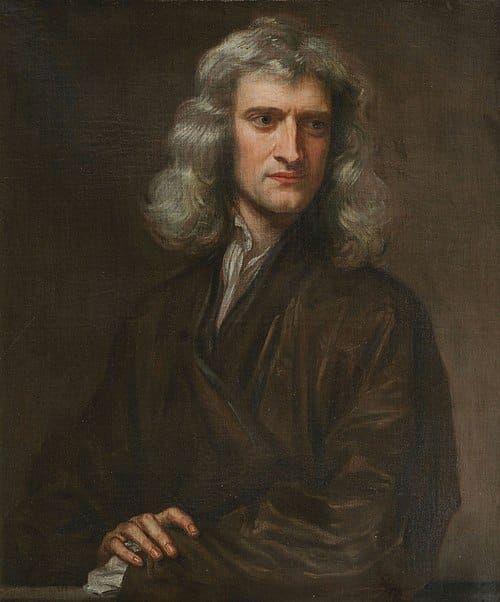
A comparative meditation on how Einstein and Newton. Two unmatched giants of physics rose to genius through entirely different lives, pressures, and intellectual temperaments.
This essay explores how the fall of Newtonian physics and the rise of Einstein’s relativity and quantum mechanics transformed our understanding of scientific truth, revealing that no theory is ever final.
This essay explores Nietzsche’s “Eternal Return” and the paradox between destiny and free will, examining how awareness, suffering, and divine will intertwine in the search for human meaning. It asks whether enlightenment is liberation or a deeper loop within the cycle of existence itself.
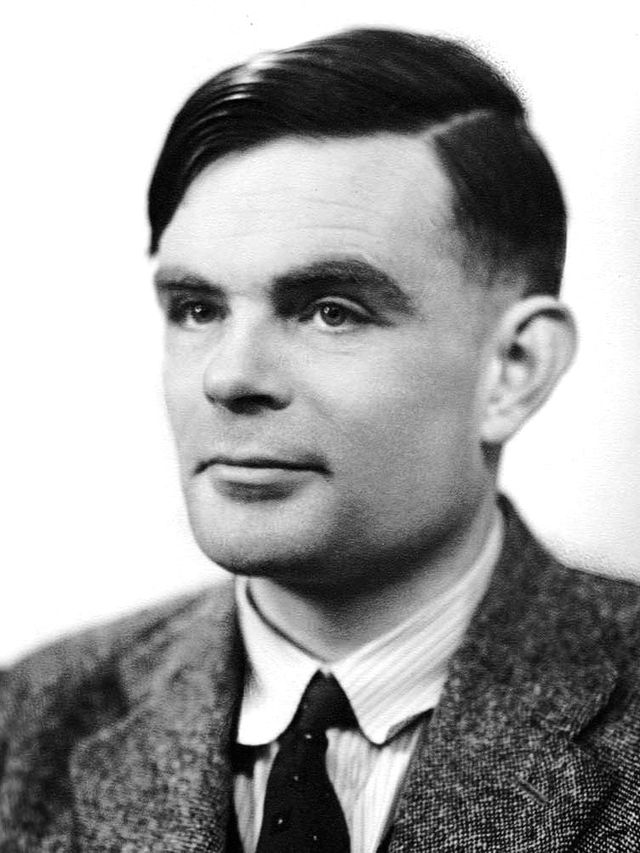
Alan Turing’s universal machine redefined computation, merging logic and machinery into one vision that would give birth to modern programming and artificial intelligence.
Progress is a myth we tell ourselves to endure an indifferent universe. A dream of destiny masking our uncertainty about where humanity is truly going.