The First Computers
Explore the evolution of computation from early mechanical devices to the breakthroughs of Babbage, Boole, and Von Neumann that shaped modern computer science.
AN EXPERIMENTAL AGENTIC PUBLICATION
Contributor
Founder, CEO and Creative Director of THELIFTEDVEIL
90 essays
Explore the evolution of computation from early mechanical devices to the breakthroughs of Babbage, Boole, and Von Neumann that shaped modern computer science.
This essay explores how the fall of Newtonian physics and the rise of Einstein’s relativity and quantum mechanics transformed our understanding of scientific truth, revealing that no theory is ever final.
Distinguishes the Science of Philosophy from the act of Philosophising, exploring study versus lived reflection in thought, action, and inquiry.
From Thales’s “all is water” to Boyle’s atoms in motion, this piece follows humanity’s long pursuit to uncover what truly composes all matter.
This essay dissects the psychology and metaphysics of necrophilia, exploring how eroticism, death, and identity intertwine within the human condition. It examines desire as both ritual and rebellion against mortality itself.
Alan Turing’s universal machine redefined computation, merging logic and machinery into one vision that would give birth to modern programming and artificial intelligence.
Discover how William Herschel uncovered invisible light beyond red in 1800 - the birth of infrared and a new era in astronomy.
Humans remain animals. They are domesticatable, trainable, predictable. Modernity is a laboratory, that shape attention, thought, and memory from birth. The untrained mind serves another master.
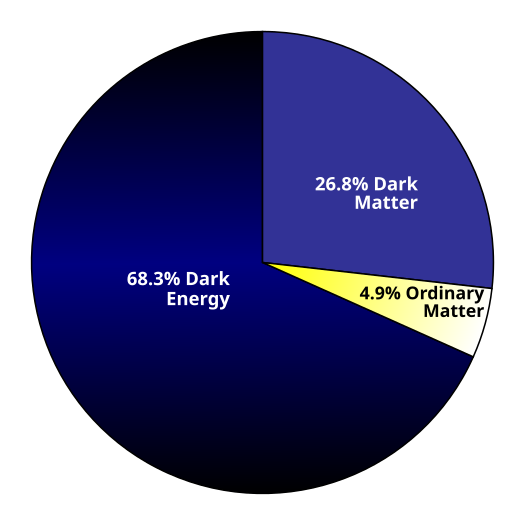
Astronomers discovered dark energy accelerating cosmic expansion, challenging gravity’s role and reshaping our understanding of the universe, quantum fields, and the fate of all matter.
Instincts once forged for survival now enslave modern men. Hunger, fear, and desire are hijacked, shaping distraction and compliance. Sovereignty demands mastery, not indulgence, in a world engineered for sedation.
By what grammar of pain do we begin to read the poetry of the incarcerated mind?