Fractured Lens: Critical Thinking Is Under Attack
Our brains were built for movement, sunlight, and human contact. The post-COVID world delivers almost none of these. Fractured Lens shows how the modern lifestyle is dismantling the hippocampus: the brain's seat of reason - and why the erosion of critical thinking is now a civic emergency.
Introduction
"We shape our tools and thereafter our tools shape us." - Marshall McLuhan
Our brains, exquisitely sculpted over millennia in environments demanding constant physical activity, intricate social interaction, and direct engagement with the natural world, now grapple with a starkly different reality; a post-COVID world increasingly defined by digital interfaces, pervasive social isolation, and sedentary living.
This "modern lifestyle" of the 2020s has been profoundly reshaped by the lingering behavioural shifts catalysed since 2020, where remote work, hyper-connectivity, reduced in-person engagement, and a predominantly indoor existence have become the new normal for many.
According to the U.S. Bureau of Labor Statistics, by 2023 roughly one in three workers in advanced economies were still performing at least part of their work remotely - a figure several times higher than pre-pandemic baselines. This is not a temporary disruption; it is a structural reorganisation of how human beings inhabit their own lives.
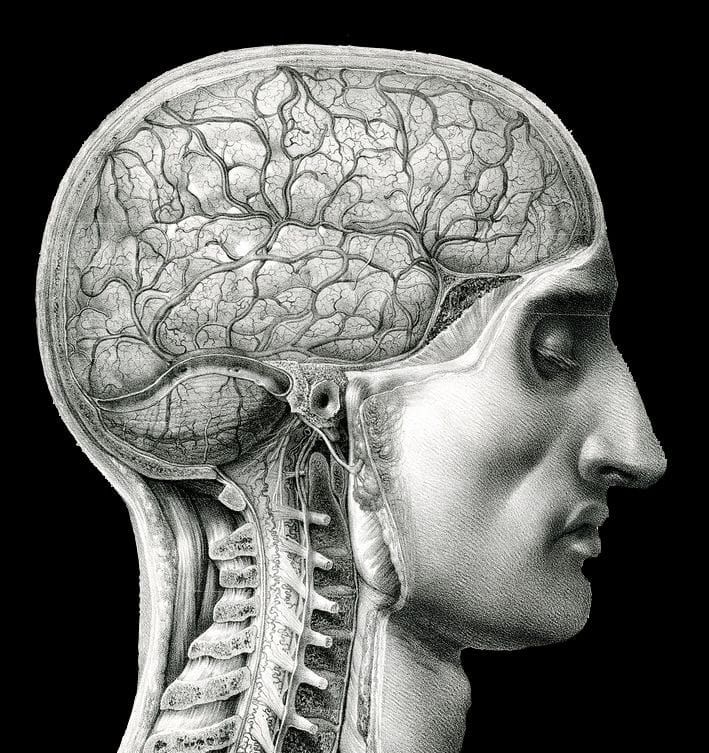
At the core of our cognitive capabilities lies the hippocampus - a vital brain region renowned as the centre for learning, memory consolidation, and spatial navigation.
This pervasive post-COVID modern lifestyle, marked by widespread physical stagnation, nutritional deficits driven by convenience-led diets, chronic social isolation, heightened psychological stress, and an increasing reliance on certain biological interventions, exerts profound and often pathological effects upon it. Ultimately, these multifaceted influences culminate in a significant impairment of the fundamental physiology underlying critical thinking.
The consequences are not merely personal. A society that loses its capacity for reasoned discernment loses, in time, the capacity to govern itself.
Part I — The Physiology of Thinking Critically
"The farther backward you can look, the farther forward you are likely to see." - Winston Churchill
The hippocampus functions as the brain's central hub for information integration and memory consolidation. It receives highly processed sensory, emotional, and spatial data from across the cortex and binds these disparate elements into cohesive, long-term declarative memories.
Beyond merely storing facts, it constructs a cognitive map - a dynamic spatial and conceptual framework that organizes our experience. This map provides the essential contextual background required for complex problem-solving, allowing the brain to simulate future scenarios based on past experience and to navigate both physical environments and abstract intellectual challenges.
The hippocampus is one of the very few structures in the adult mammalian brain capable of adult neurogenesis - the continuous generation of new neurons, specifically within the dentate gyrus.
This structural plasticity is fundamentally tied to cognitive flexibility. The newborn neurons are highly excitable and adaptable, playing a critical role in pattern separation: the brain's ability to distinguish between similar but distinct events or pieces of information.
By facilitating the integration of new data without overwriting old memories, neurogenesis allows the brain to rapidly adapt to novel situations, update existing paradigms, and engage in the agile mental shifts necessary for effective critical thinking.
Brain-Derived Neurotrophic Factor (BDNF) is critical in facilitating the creation of new memories and ensuring that old ones are preserved. It promotes the survival, growth, and differentiation of newborn neurons, allowing them to integrate into existing neural networks.
By enhancing synaptic plasticity and the formation of new, distinct neural circuits, BDNF supports the encoding of novel information. This process underpins pattern separation, enabling the brain to establish separate memory traces for new experiences, thereby preventing the overwriting of previously stored, similar memories and ensuring continuous learning and adaptation.
Critical thinking relies on a robust, bidirectional communication pathway between the hippocampus and the prefrontal cortex. While the hippocampus acts as the repository for contextual memories and cognitive maps, the PFC serves as the brain's executive control centre.
When faced with a complex decision, the hippocampus actively feeds relevant historical data and contextual associations to the PFC. The PFC then holds this information in working memory to analyse the variables, weigh evidence against current goals, and inhibit impulsive responses.
This functional coupling - synthesising the hippocampus's memory retrieval with the PFC's analytical processing - is what ultimately allows humans to execute logical reasoning and higher-order critical thought. When the link weakens, reasoning collapses into reflex.
Part II — The Physiology of Ego Depletion
"Fatigue makes cowards of us all." - George S. Patton
Following a day filled with demanding cognitive tasks, the observed decline in BDNF is a key physiological contributor to ego depletion. Given BDNF's vital role in supporting neurogenesis, synaptic plasticity, and the integration of neural networks, especially those critical for executive function and self-regulation, its reduction directly impairs the brain's capacity to maintain optimal performance.
This diminished neurotrophic support produces a state of mental fatigue in which the neural pathways responsible for sustained attention, impulse control, and decision-making become measurably less efficient.
Subjectively, ego depletion is felt as a profound mental drain. It is characterized by a reduced willingness or ability to exert further self-control, difficulty concentrating, increased susceptibility to distractions, and a general lack of motivation for additional cognitively demanding activities - a state in which individuals are more prone to giving in to impulses, defaulting to convenient answers, and making suboptimal choices. It is, in effect, the physiological substrate of a person at their most manipulable.
During the rapid eye movement (REM) and slow-wave phases of sleep, the brain actively engages in essential recovery and memory consolidation processes. Specifically, REM sleep promotes adult hippocampal neurogenesis and increases the production of brain-derived neurotrophic factor (BDNF), facilitating the replenishment of BDNF.
This boost in BDNF stimulates the generation and integration of new neurons within the hippocampus. Concurrently, the hippocampus plays a crucial role in consolidating newly acquired memories by systematically transferring them to the cortex for long-term storage. This process is vital for integrating recent information into existing knowledge frameworks, ultimately enhancing memory retention and retrieval.
By morning, this physiological "recharge" helps restore the brain's capacity for sustained cognitive effort, re-establishing optimal communication between the hippocampus and the prefrontal cortex, and enabling individuals to regain mental acuity, self-control, and motivation.
The implication is unsubtle: a population deprived of adequate sleep is, by definition, a population deprived of the neural conditions for clear thought.
Part III — Environmental and Physical Deficits of the Modern Lifestyle
"Health is a state of complete harmony of the body, mind and spirit." - B.K.S. Iyengar
The Sedentary Epidemic — Lack of Movement
A sedentary lifestyle, characterized by prolonged periods of inactivity, significantly reduces aerobic exercise - a key driver of brain health. This lack of movement leads to a measurable decline in BDNF, and reduced BDNF levels are associated with decreased hippocampal volume, which negatively impacts memory and learning.
A landmark trial by Erickson and colleagues (2011) demonstrated that one year of moderate aerobic exercise was sufficient to increase hippocampal volume by approximately 2% in older adults, effectively reversing one to two years of age-related shrinkage. The corollary is sobering: the chair we sit in for ten hours a day is not neutral. It is, neurologically, a slow form of attrition.
Nutritional Starvation in a World of Plenty — Malnutrition
Nutritional starvation amidst abundance highlights the central paradox of modern diets: accessibility to food does not equate to nutritional adequacy. The prevalence of ultra-processed foods — engineered around high sugar, refined oils, and synthetic additives — frequently displaces whole, nutrient-dense options. Recent analyses suggest that ultra-processed foods now account for more than half of total caloric intake in the United Kingdom and the United States.
Essential nutrients such as omega-3 fatty acids, found in oily fish and flaxseeds, and B-vitamins, present in meat, whole grains, and leafy greens, are crucial for maintaining brain health. Their deficiency can drive neuroinflammation - a mediated pathway associated with cognitive decline and a range of mental health conditions, including anxiety and depression. The brain, composed of roughly 60% lipid by dry weight, cannot construct itself out of food that is not really food.
Nature Deficit — Lack of Fresh Air and Sunlight
The modern lifestyle often disconnects individuals from nature, resulting in inadequate exposure to fresh air and sunlight. This absence disrupts natural circadian rhythms and impairs sleep quality - an essential factor for hippocampal memory consolidation.
Furthermore, inadequate sunlight exposure contributes to vitamin D deficiency, which has been associated with reduced memory function, impaired executive control, and an elevated risk of neurodegenerative disease. Public Health England has estimated that around one in five UK adults has low vitamin D status, with rates climbing in winter months and among those who work indoors. The modern indoor existence is, in this sense, a quiet form of biological deprivation.
Part IV — Psychosocial Stressors and Pathological Effects
"Loneliness adds to the sum of human misery." — Frank R. Wallace
The Isolation Epidemic (Lack of Physical Contact with Peers)
The decline of in-person interaction, accelerated and entrenched by post-2020 lifestyle changes, has produced what is now widely termed the "isolation epidemic." In 2023, the U.S. Surgeon General formally declared loneliness a public health crisis, comparing its mortality risk to smoking up to fifteen cigarettes a day.
This deprivation removes vital socio-spatial processing experiences - the very inputs upon which the hippocampus depends for normal development and emotional regulation. The result, documented across multiple longitudinal studies, is hippocampal atrophy.
This atrophy is characterised by a reduction in both the number and size of neurons in the region. It stems, in large part, from the absence of the stimulation and enriched environments that meaningful social interaction reliably provides.
Prolonged social isolation correlates strongly with elevated levels of cortisol, the principal stress hormone, which exerts direct neurotoxic effects on hippocampal cells. The downstream effects include impaired memory and learning, heightened anxiety, and difficulty regulating emotion. A vicious feedback loop emerges: diminished contact drives cognitive decline, which in turn makes social engagement harder - and so the spiral continues.
The Amygdala Hijack — Constant Terrors on the News
The incessant negative news cycle of modern media contributes to chronic stress and heightened fear. Continuous exposure to distressing information overactivates the amygdala, the brain's principal threat-detection structure. This activation triggers a sustained surge in cortisol, which over time becomes neurotoxic; damaging hippocampal neurons, reducing hippocampal volume, and impairing the rational processes that depend on it.
The architecture of contemporary digital media compounds the problem. Algorithmic feeds, optimised for engagement rather than well-being, preferentially surface emotionally charged and threat-laden content. The effect is a population kept in a low-grade state of fight-or-flight - a physiological condition profoundly incompatible with reflective, deliberate thought. A frightened brain is not a thinking brain.
Part V — Biological and Immunological Factors
"The nervous system, like the immune system, is a double-edged sword. While they are essential for survival, their misfiring can lead to damage and disease." — Dr. Rita Levi-Montalcini
Neuroinflammation and Medical Interventions
Immunological responses, including those elicited by infection and by some forms of vaccination, can have complex implications for neurological health. Systemic inflammation, whether arising from a pathogen or from a vaccine-induced immune response, can transiently affect the integrity of the blood-brain barrier (BBB) through several physiological mechanisms.
1) Cytokine release: Inflammatory challenges may induce the production of pro-inflammatory cytokines such as interleukin-6 (IL-6) and tumour necrosis factor-alpha (TNF-α).
These cytokines play essential roles in normal immune defence but, at elevated levels, can increase endothelial permeability and temporarily compromise BBB integrity. This permeability allows immune mediators, including lymphocytes and antibodies, to enter the central nervous system (CNS), in some cases raising the risk of neuroinflammation - particularly in individuals with pre-existing vulnerabilities. The dysregulation of cytokine release is one reason continued post-marketing surveillance of any immunological intervention remains important.
2) Spike proteins and immune activation: The introduction of spike proteins via mRNA vaccines is designed to mimic a natural infection and to stimulate an adaptive immune response. Antigen-presenting cells process the spike protein and present it to T cells, which then differentiate into helper and cytotoxic populations. The response generates antibodies specific to the spike protein and, more broadly, a range of inflammatory mediators that produce localised, and occasionally systemic, inflammation.
In rare instances, activated immune cells, including T cells and macrophages, may migrate to the CNS and release pro-inflammatory cytokines, contributing to transient neuroinflammatory states. The overall benefits of mRNA vaccines in preventing severe illness from viral infection are well-established and continue to outweigh these risks at a population level; nevertheless, ongoing research into the long-term neuroimmune consequences of any large-scale immunological intervention remains a legitimate scientific priority.
3) Adverse events and neuroinflammatory response: A small subset of vaccine-related adverse events appears to be associated with an exaggerated immune response involving the CNS. Microglia, the resident immune cells of the brain, normally maintain neural homeostasis but can become activated in response to peripheral inflammation. Sustained microglial activation can produce a cascade of inflammatory signalling; pro-inflammatory cytokines, chemokines, and reactive oxygen species, that contributes to neuronal dysfunction.
In susceptible individuals, this exaggerated response has, very rarely, been linked to conditions such as encephalitis or autoimmune syndromes. Identifying the specific pathways and genetic predispositions that elevate this risk remains an active area of research, and is essential to the continued safe development of immunological therapies.
Neuroinflammation and Cognitive Impairment
Neuroinflammation, regardless of its origin, has been implicated in a wide spectrum of neurodegenerative diseases and cognitive impairments. Microglial activation drives the release of pro-inflammatory cytokines that disrupt neuronal function and synaptic plasticity. Acute neuroinflammation can serve a protective role, supporting the repair of damaged tissue.
Chronic neuroinflammation, by contrast, is corrosive - suppressing neurogenesis, particularly within the hippocampus, altering neurotransmitter dynamics, impairing synaptic function, and contributing to measurable cognitive decline.
Elevated neuroinflammatory markers have been documented in Alzheimer's disease, multiple sclerosis, major depression, and long-COVID cognitive syndromes. The common thread linking these otherwise disparate conditions is a brain whose inflammatory thermostat is stuck on. The hippocampus, exquisitely sensitive to that environment, suffers first.
Conclusion
"Intellectual growth should commence at birth and cease only at death." - Albert Einstein
The contemporary human nervous system is being challenged on multiple fronts simultaneously. Sedentary behaviour, nutritional inadequacy, chronic psychological stress, social isolation, and a range of immunological and environmental factors have converged to produce a lifestyle that physiologically undermines the hippocampus - the seat of learning, memory, and critical thought.
Each of these influences acts independently; together, they compound. The cumulative effect is a measurable erosion of the very neural architecture upon which analytical reasoning, self-regulation, and discernment depend: reduced neurogenesis, suppressed BDNF, weakened hippocampal–prefrontal coupling, and a brain operating in a chronic state of low-grade inflammation.
The implications extend far beyond the individual. A society in which large numbers of people are cognitively fatigued, emotionally hyperaroused, and socially disconnected is a society in which critical discernment becomes scarce. Such populations are more reactive to fear, more vulnerable to misinformation, less able to weigh nuance, and - by consequence - more easily directed.
The erosion of critical thinking is therefore not only a medical concern; it is a civic one. The capacity to reason carefully is the substrate upon which free institutions ultimately rest.
The encouraging counterpoint is that the same physiology being undermined is also remarkably responsive to intervention. The hippocampus, almost uniquely among adult brain structures, is built for renewal.
Deliberate lifestyle choices (regular aerobic exercise, a diet rich in omega-3 fatty acids and B-vitamins, consistent exposure to natural light and outdoor environments, restorative sleep, and meaningful in-person social engagement) have been shown, individually and in combination, to enhance neuroplasticity, restore hippocampal volume, and rebuild the physiological foundation of clear thought. None of these interventions is exotic; none is expensive; none requires permission.
To reclaim critical thinking, then, is not primarily a political project, nor a technological one. It is a biological one. It begins with the small, daily, unfashionable acts of moving the body, feeding it well, sleeping enough, stepping outside, and sitting across from another human being.
The fractured lens through which the modern world is increasingly viewed can be repaired - but only by people who remember how to look clearly, and who insist on the conditions that allow them to.
A resilient, informed, and free society depends on minds that can still think. Protecting those minds is, perhaps, the most consequential work of our age.
Written by @LucasLaube

Subscribe to access work from a collective of independent minds producing essays, ideas, and cultural projects grounded in depth and precision.