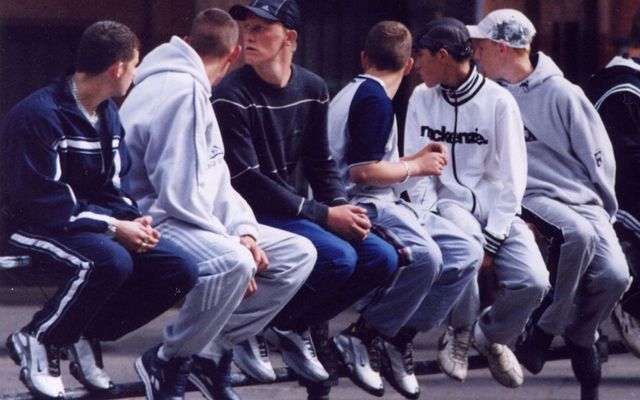
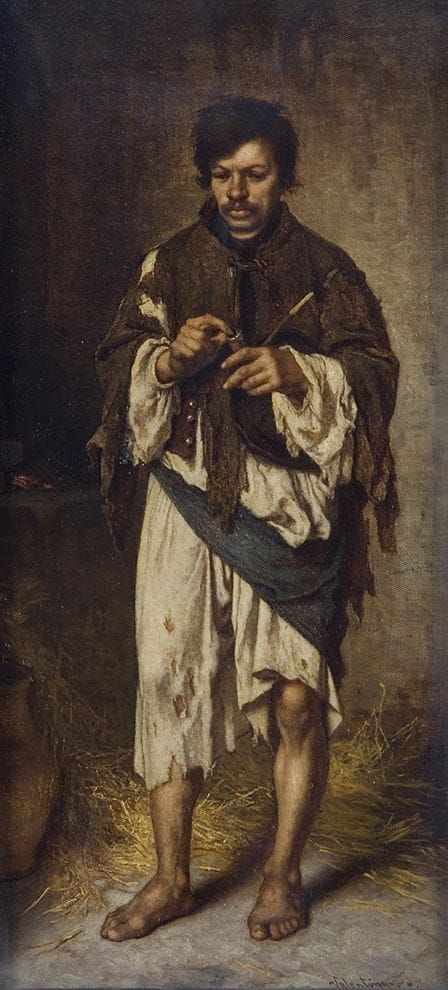
This inquiry reads the chav figure through biosociology, showing how genes, stress, and culture coauthor illness, desire, and character. A study of thrownness, agency, and the cost of deprivation.
The self is not an autonomous creator but a fragmented echo of countless external influences and unconscious exchanges. What we call “I” is merely the residue of shared perception, a ghostly collaboration between minds.
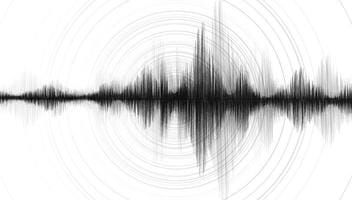
Vibration is the unseen harmony that binds perception, emotion, and consciousness into one field of being. What we call a “vibe” is the living current that connects all things.
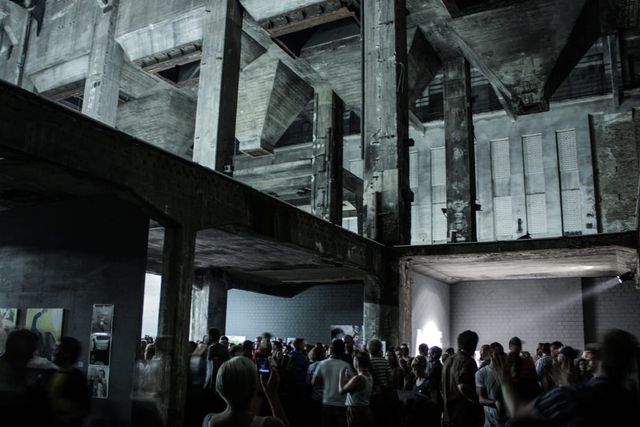
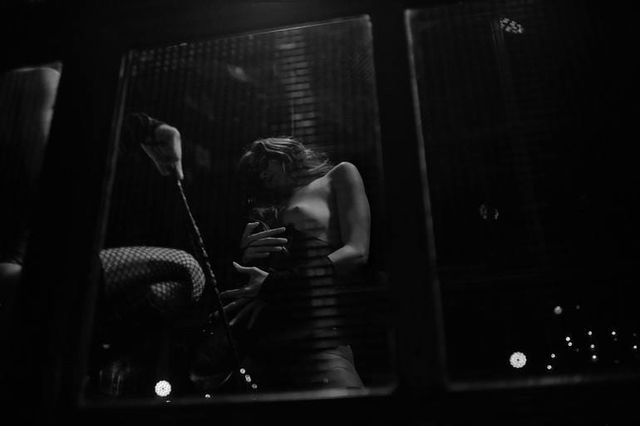
The Brutalist nightclub stands as a raw architecture of human impulse, a space where isolation and collectivity merge beneath the weight of concrete and sound. Within its stark geometry, the body becomes both canvas and transmitter.
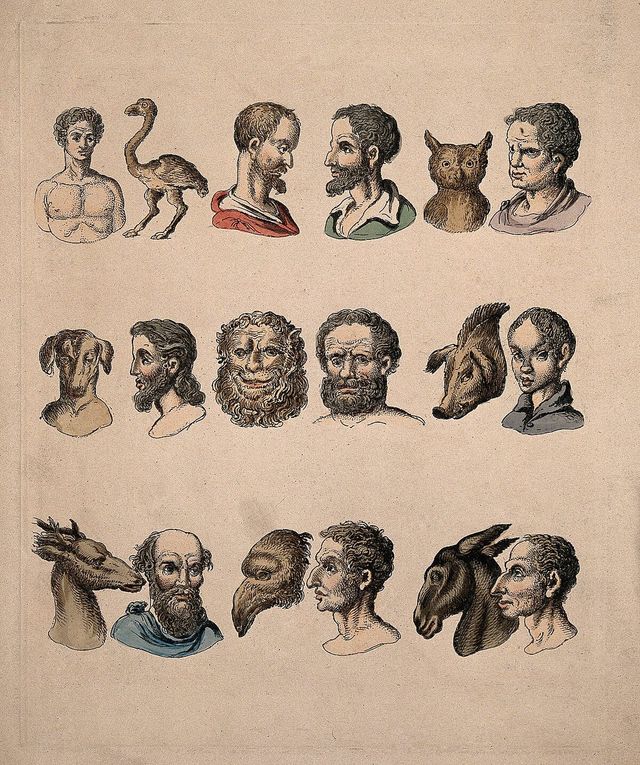
Physiognomy reveals that the face is not fixed but sculpted by the soul’s passage through experience. Character leaves its trace upon flesh, and in this reflection, the psyche becomes visible
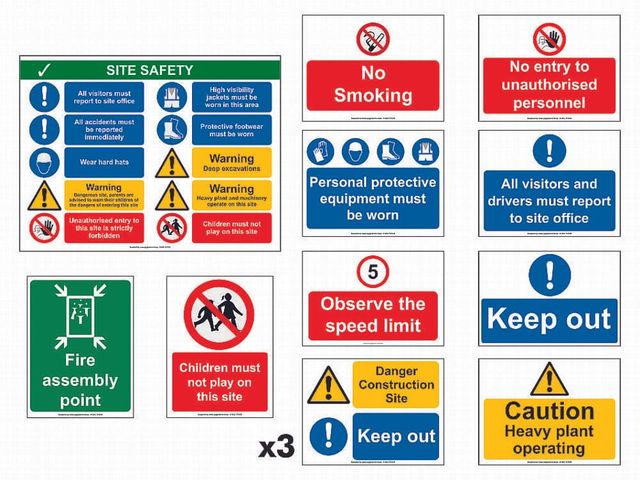
Modern signage is not guidance but psychological control, a quiet erosion of instinctual intelligence. It treats conscious beings as programmable machines, severing the human mind from its ancient autonomy.
The artist stands as both martyr and mirror, suffering so that others might see. His torment is the bridge between the human condition and divine creation, the necessary fire through which civilization remembers its soul.
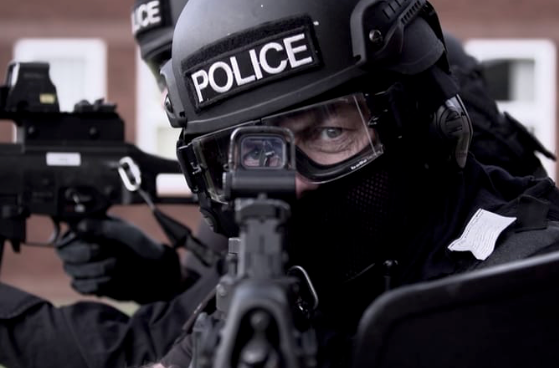
The police officer lives suspended between man and mask, servant and enforcer, human and abstraction. His authority is both performance and imprisonment, a paradox through which society governs itself by illusion.
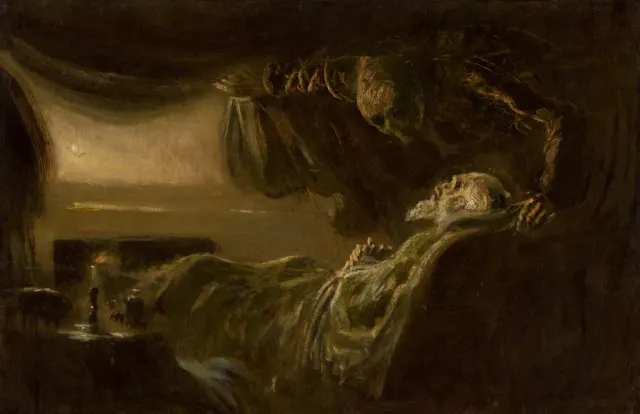
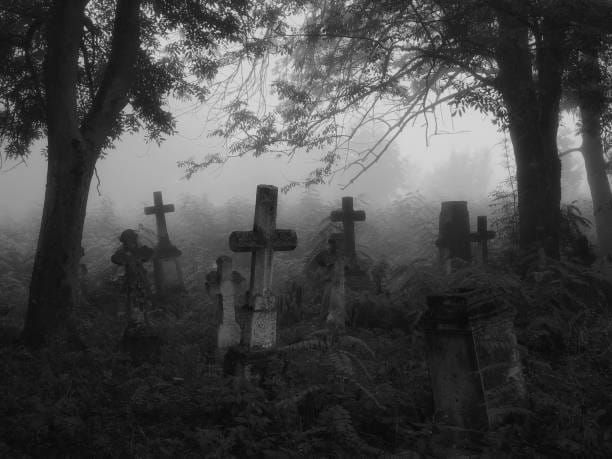
The graveyard is humanity’s last illusion, a monument to our refusal to accept impermanence. Only by internalizing death as life’s quiet companion can we evolve beyond our need to carve permanence into the earth.